Reinforcement of river dykes
Comparative study | France

- Reinforcement of river dykes

AskBoris
Introduction
For centuries, embankments have been one of the mainstays of flood risk management. Their presence has a direct impact on the safety of many areas exposed to high water levels. However, embankment dykes face a combination of structural and environmental vulnerabilities throughout their lifespan. Built to withstand historical water levels that have now been far exceeded, they are subjected to more frequent and intense hydraulic stresses, leading to an increased risk of instability.
What solutions are available to reinforce embankments in a sustainable manner?
In 2025, ArcelorMittal commissioned Egis, an independent engineering and consultancy firm, to carry out a study aimed at evaluating several solutions for reinforcing embankments, including, in particular, the Sheet pile solution.
This study is being carried out in two phases. The first phase is devoted to a comparative analysis of existing methods.
The second phase involves preliminary design work for three main solutions:
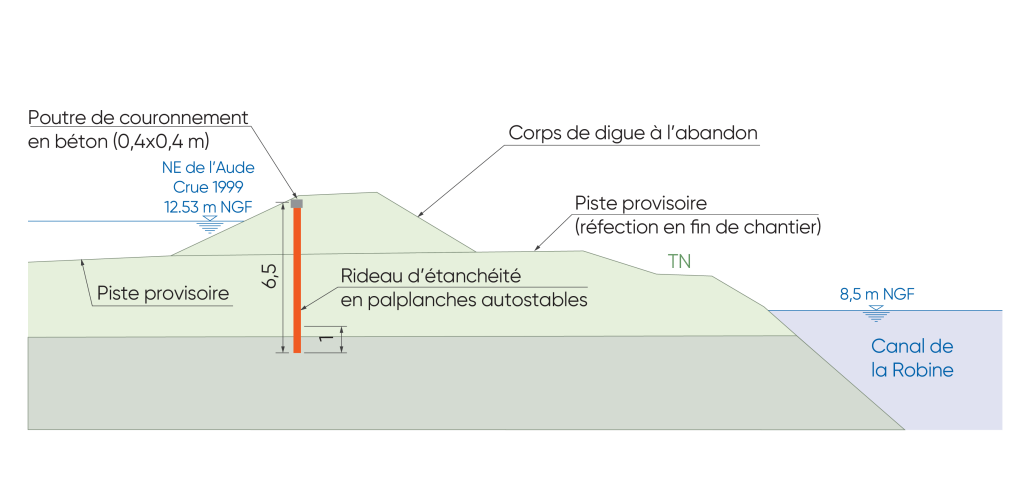
- sheet pile wall
- grouted wall (or soil mixed using a trencher)
- backfilling/recalibration with rockfill or earth fill.
Download the document
Context
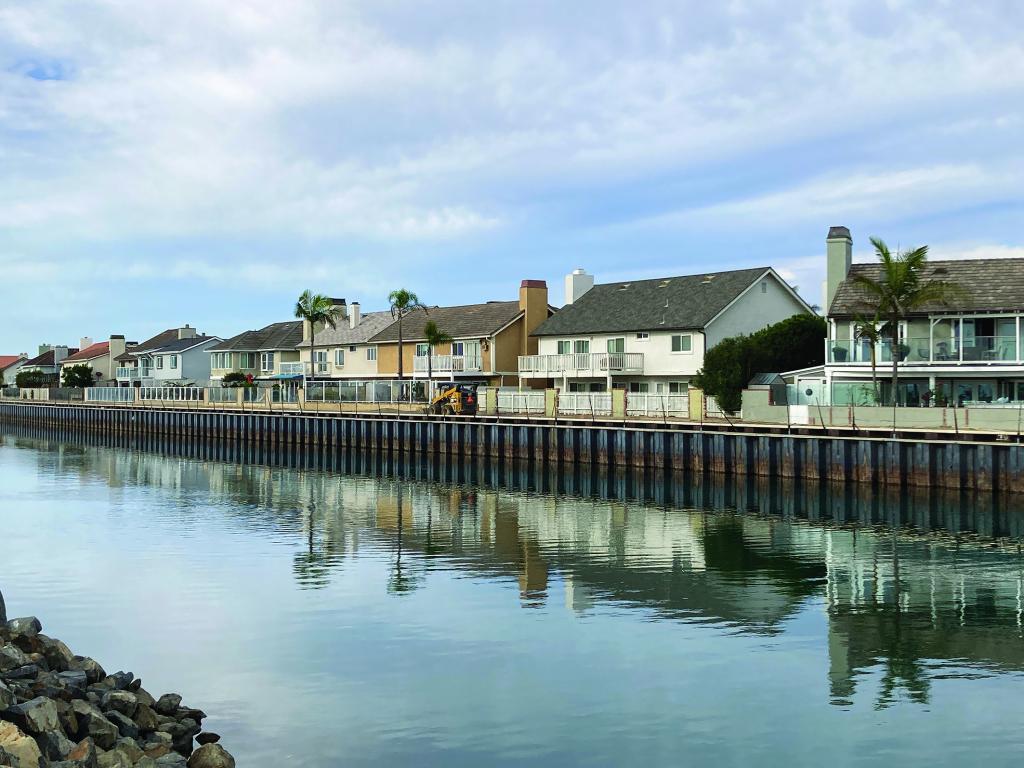
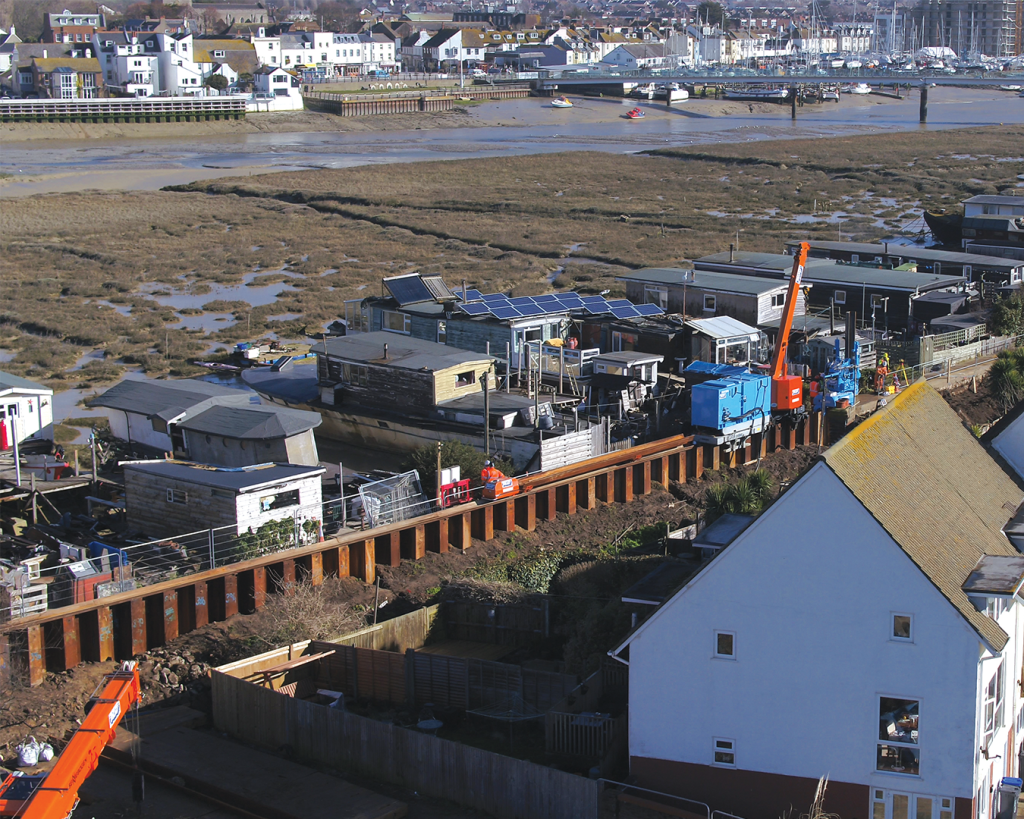
The self-supporting sheet pile wall solution delivers savings of over 20 per cent on investment costs, reduces construction times by up to 50 per cent and cuts carbon emissions by up to 50 per cent.
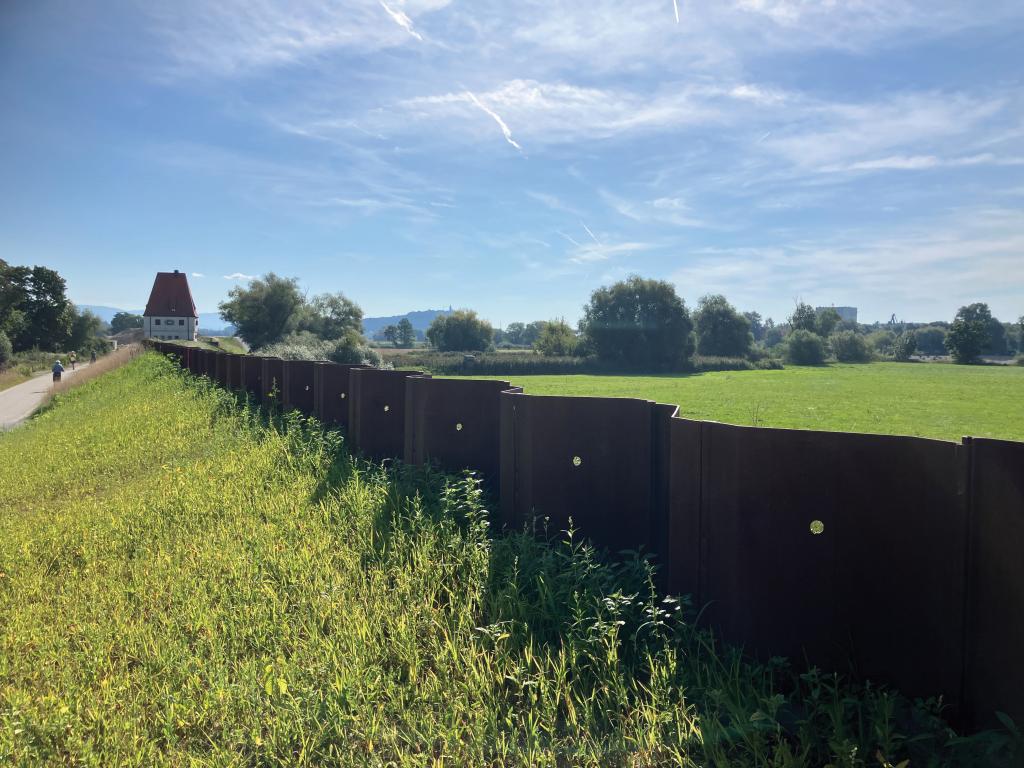
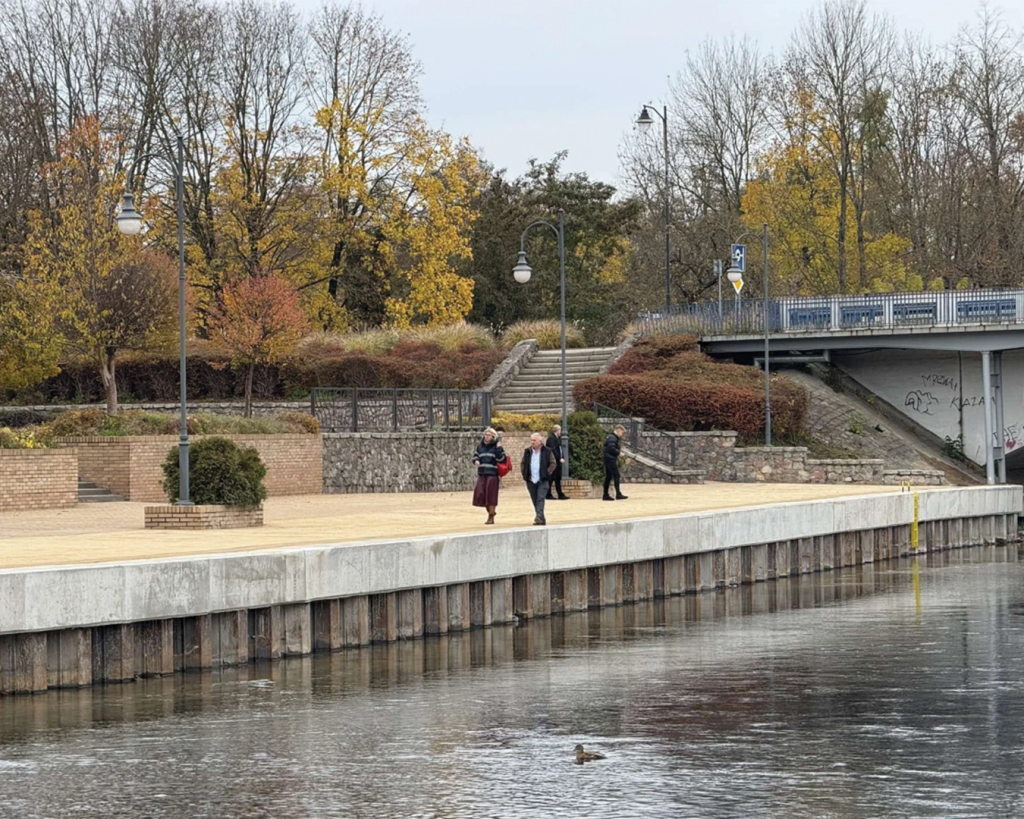
It also fits in well with the landscape and is well accepted by the local community, as the existing dyke footprints are retained, whilst offering a high level of watertightness.
Finally, the ease with which the existing embankment dyke can be raised using the self-supporting Sheet pile solution, combined with the simplicity of maintenance, makes it a particularly suitable option for meeting the current challenges of sustainable water infrastructure management.
Duration of works
The duration of works for each option is estimated by taking into account preparatory works (site set-up and access arrangements), the construction works specific to the option, as well as site restoration, connection to utility networks and site clearance.
The total duration for each solution is defined as follows:
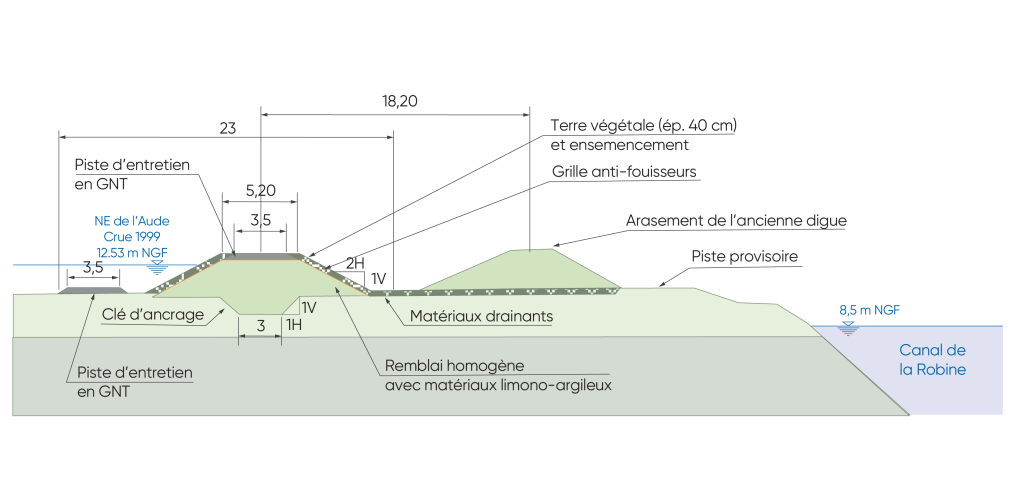
- Solution A1: relocation of the earth-filled dyke– 12 months;
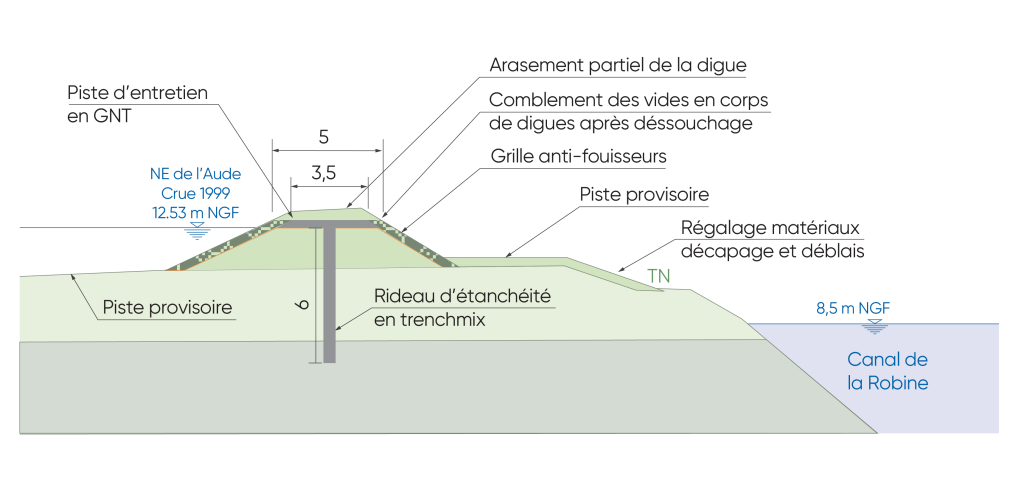
- Solution A2: reinforcement using cut-and-mix soil within the dyke body – 8.5 months;
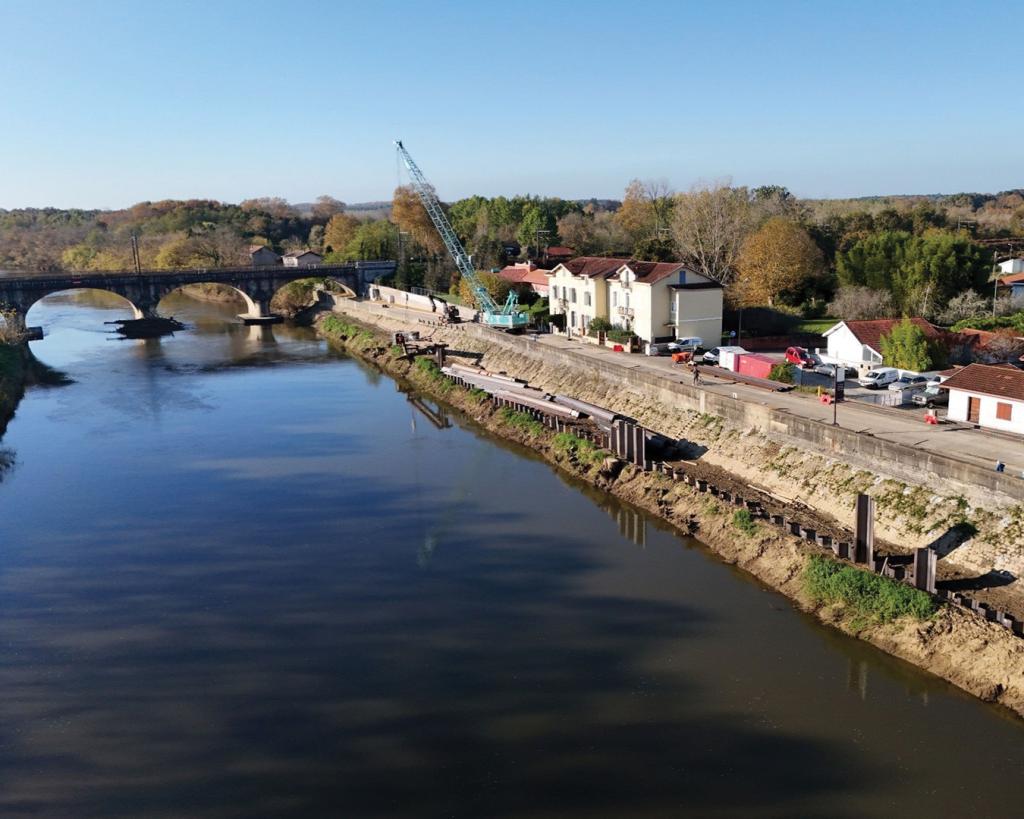
- Solution A3: reinforcement using self-supporting Sheet piles within the dyke body – 6 months.
Cost estimate for the works
Set out below is the cost estimate for the works for each option, together with the key factors taken into account in the calculation.


Carbon footprint estimate:
Sheet piles have the lowest emissions
As part of this study, Egis assessed the carbon footprint of the three dyke reinforcement solutions over a 100-year lifespan, using a Life Cycle Assessment (LCA).
The self-supporting Sheet pile solution (A3) had the lowest carbon footprint, with emissions reduced by approximately 50 per cent compared with solution A1 and by 47 per cent compared with solution A2. This performance is due to a lower environmental impact during construction and significantly reduced maintenance requirements throughout the structure’s lifespan.
The study highlights that sheet piles provide both structural stability and protection against internal erosion, thereby minimising long-term interventions and the associated emissions.
| Solution | Total emissions |
|---|---|
| A1 - Dyke | 4,209 t CO₂e |
| A2 - Soil-mix-in-place | 3,876 t CO₂e |
| A3 - Self-supporting sheet pile wall | 2,054 t CO₂e |
Overview and multi-criteria analysis
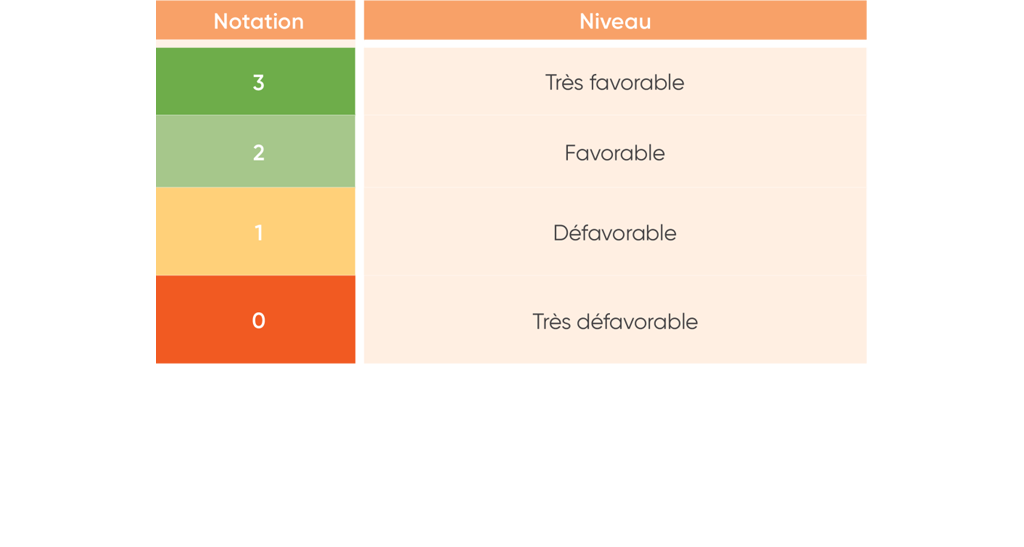
The multi-criteria analysis methodology is based on a weighting system that combines technical, economic, environmental and social criteria. Each solution is scored according to a common evaluation grid. A weighting is applied to the various analysis criteria, in line with standard practice for this type of project.
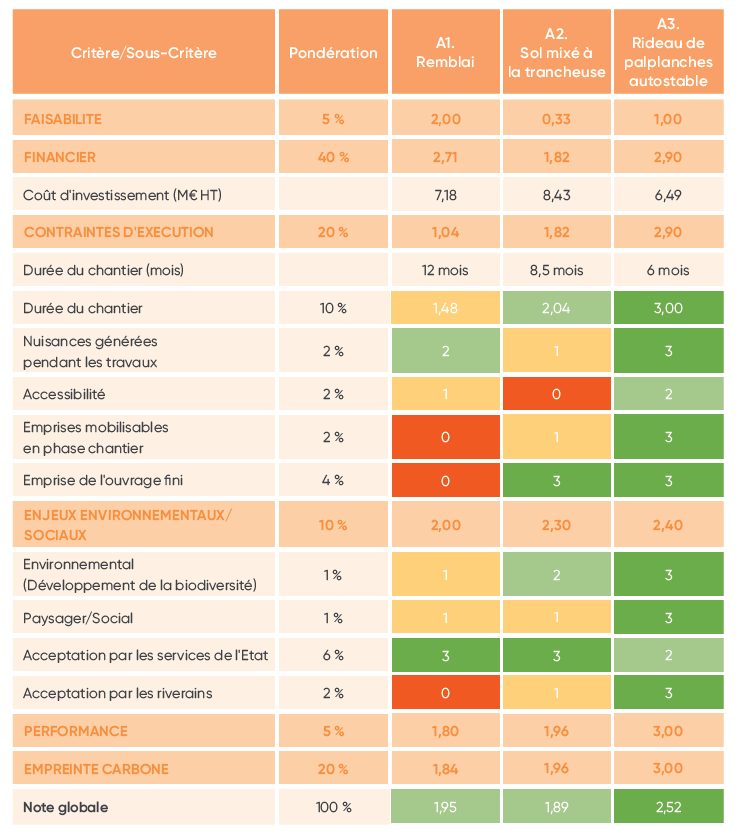
This comparison shows that the self-supporting sheet pile wall appears to be the most effective solution overall, combining technical robustness, speed of construction, cost control and low environmental impact, as well as a reduced footprint and limited impact on the landscape, making it a particularly suitable option in the context of adapting to climate change.
Conclusion
The comparative study analyses several solutions for reinforcing dyke against internal erosion under two scenarios: A (the 1999 hundred-year flood) and B (the 1999 flood plus a 50 cm rise due to climate change). The analysis covers technical, economic, environmental and social aspects.
The results are based on a multi-criteria analysis, the weighting of which – defined jointly by Egis and ArcelorMittal during a workshop – follows public procurement practices. The final performance of the solutions depends heavily on the calculation and design assumptions specific to each one.
The multi-criteria analysis highlights several key aspects for evaluating solutions for dyke reinforcement. Feasibility is a criterion assessing the suitability of each solution to the geometry of the structure and the geomechanical characteristics of the ground.
The carbon footprint has been assessed, with Sheet pile generating the lowest emissions during the construction phase (1,069 t CO₂e) and during maintenance (985 t CO₂e), demonstrating its environmental benefits.
In terms of investment cost, sheet pile is the most cost-effective solution at €6.49 million excluding VAT. By way of comparison, it is 11 per cent cheaper than the backfill solution, and 26 per cent more economical than the mixed-soil solution.
Overall, it can be seen that, taking into account all the factors mentioned above, as well as the weightings defined for the multi-criteria analysis, the self-supporting sheet pile wall performs better than the other two solutions.